






New iino Model Introduced at Haneda Airport Terminal 1
2026 09 01
mobility : type_S950
カテゴリ : Project
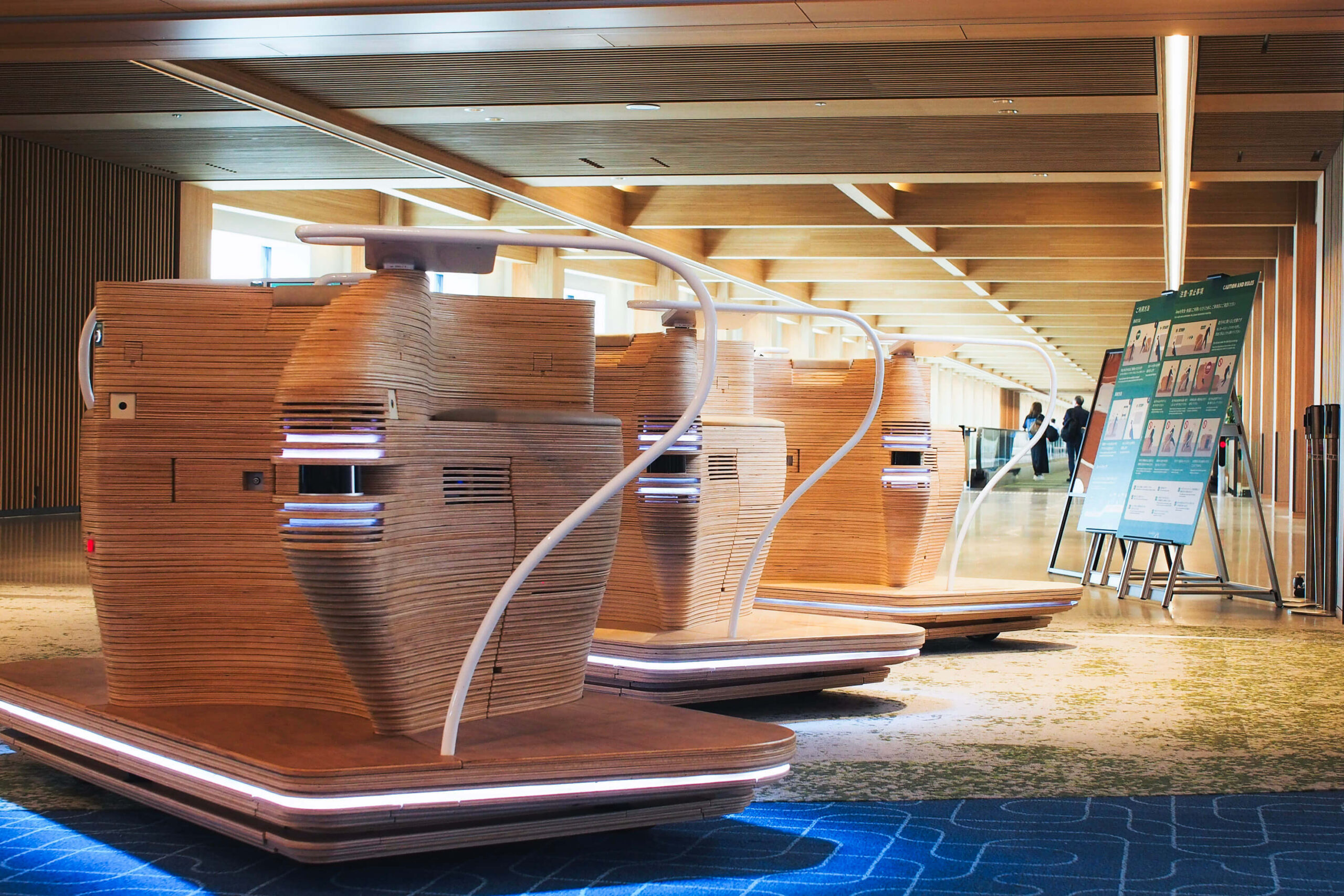
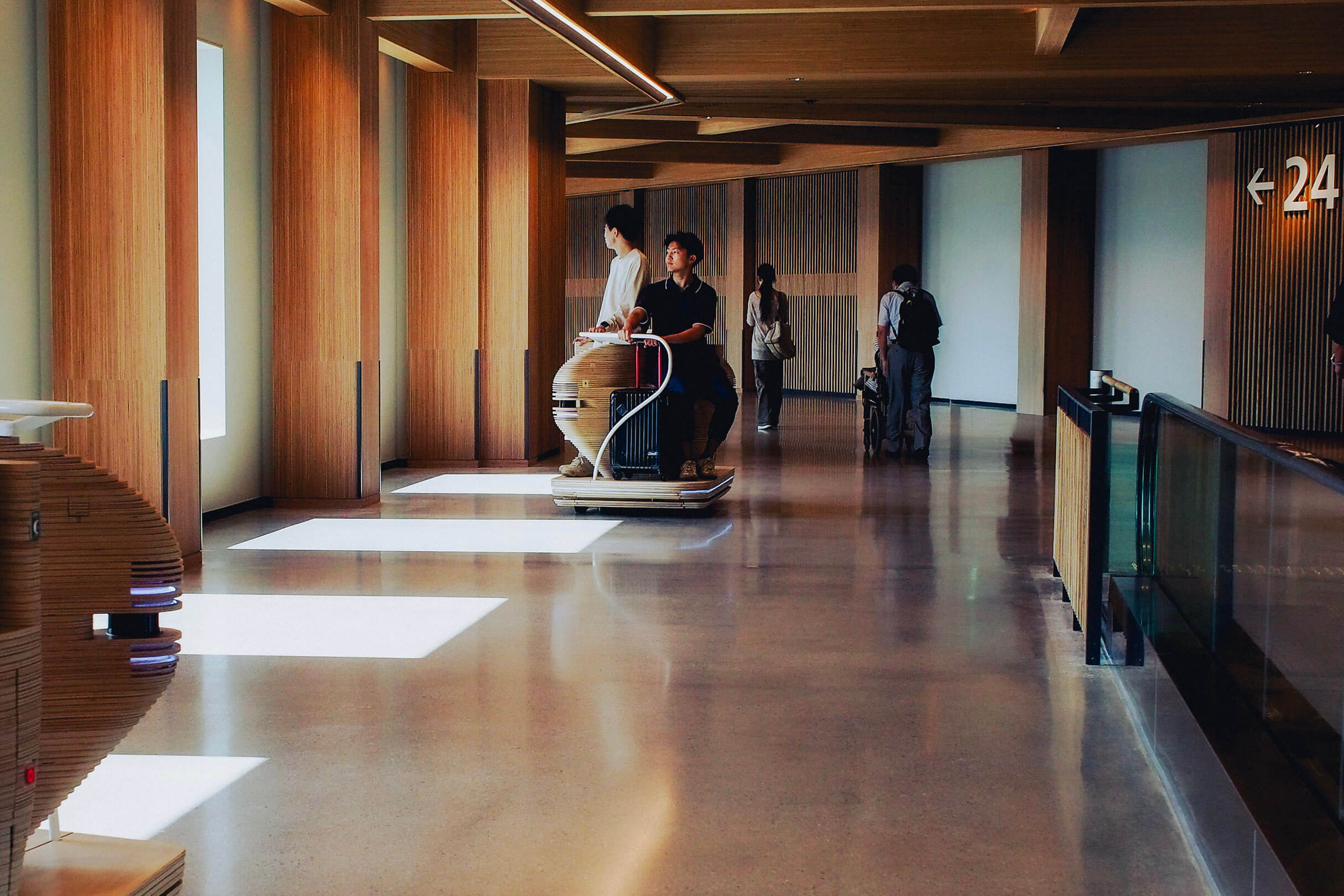
On September 1, a new model of the autonomous mobility iino, the type-S950, began operation at the Haneda Airport Terminal 1 North Satellite Facility.
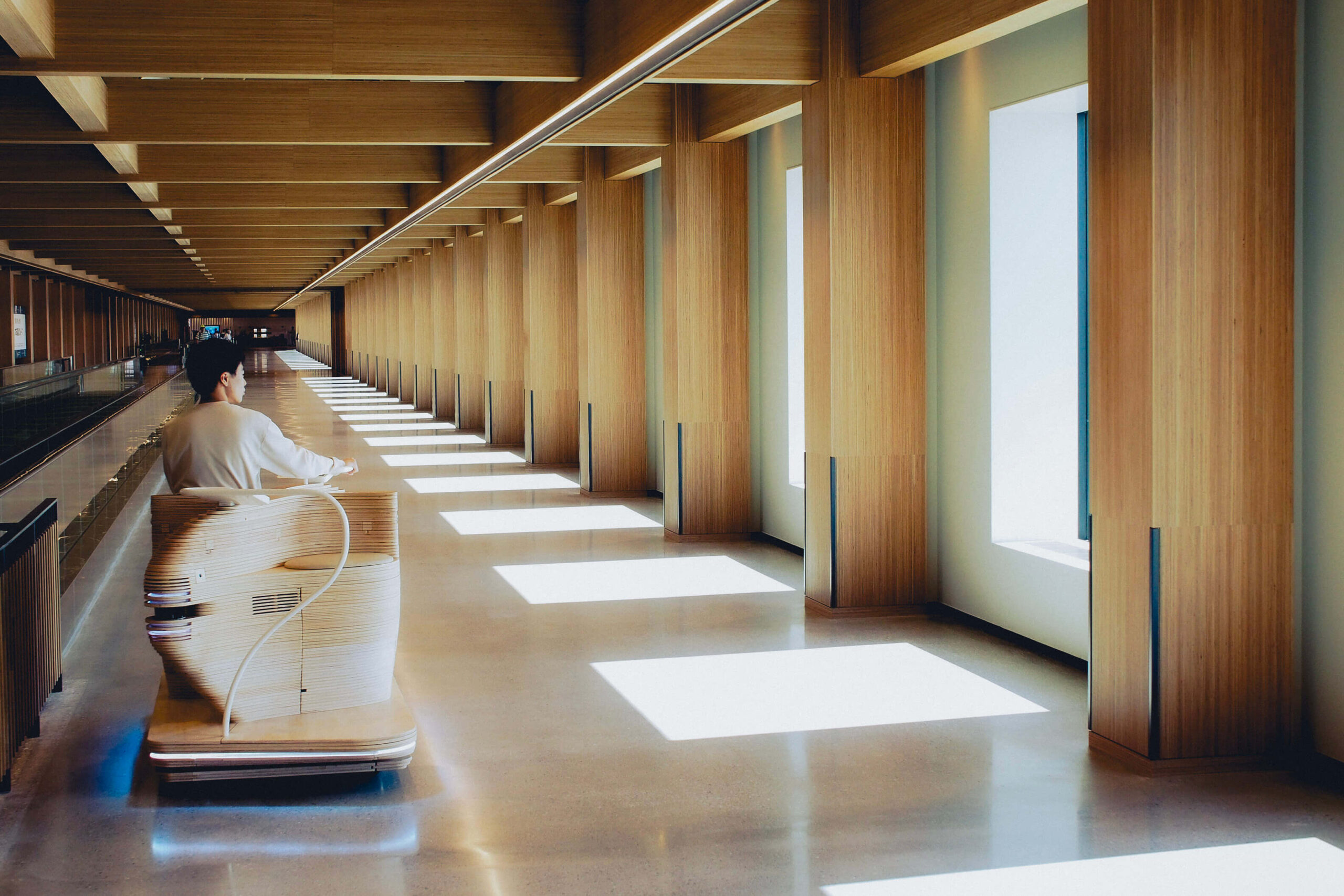
It travels autonomously from the connecting passage of the North Satellite to Gate 29, guiding passengers along the way.
Living Flow
Carrying journeys forward on the flow of people, connecting one moment to the next.
From here, to somewhere.
From now, to what comes next.
Connecting places, layering moments, carrying feelings.
The type-S950 is a mobility designed to shape the flow of a place.
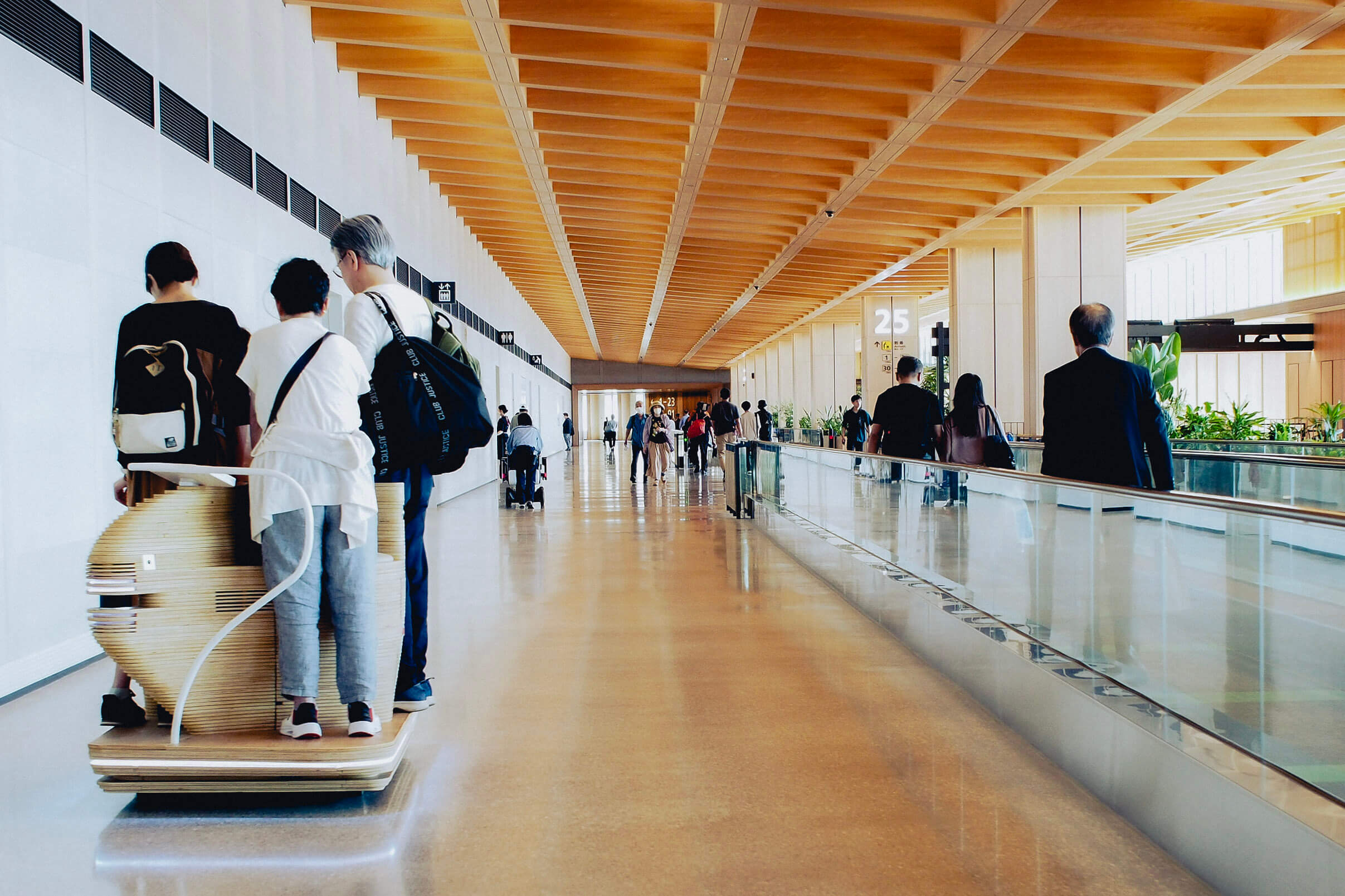
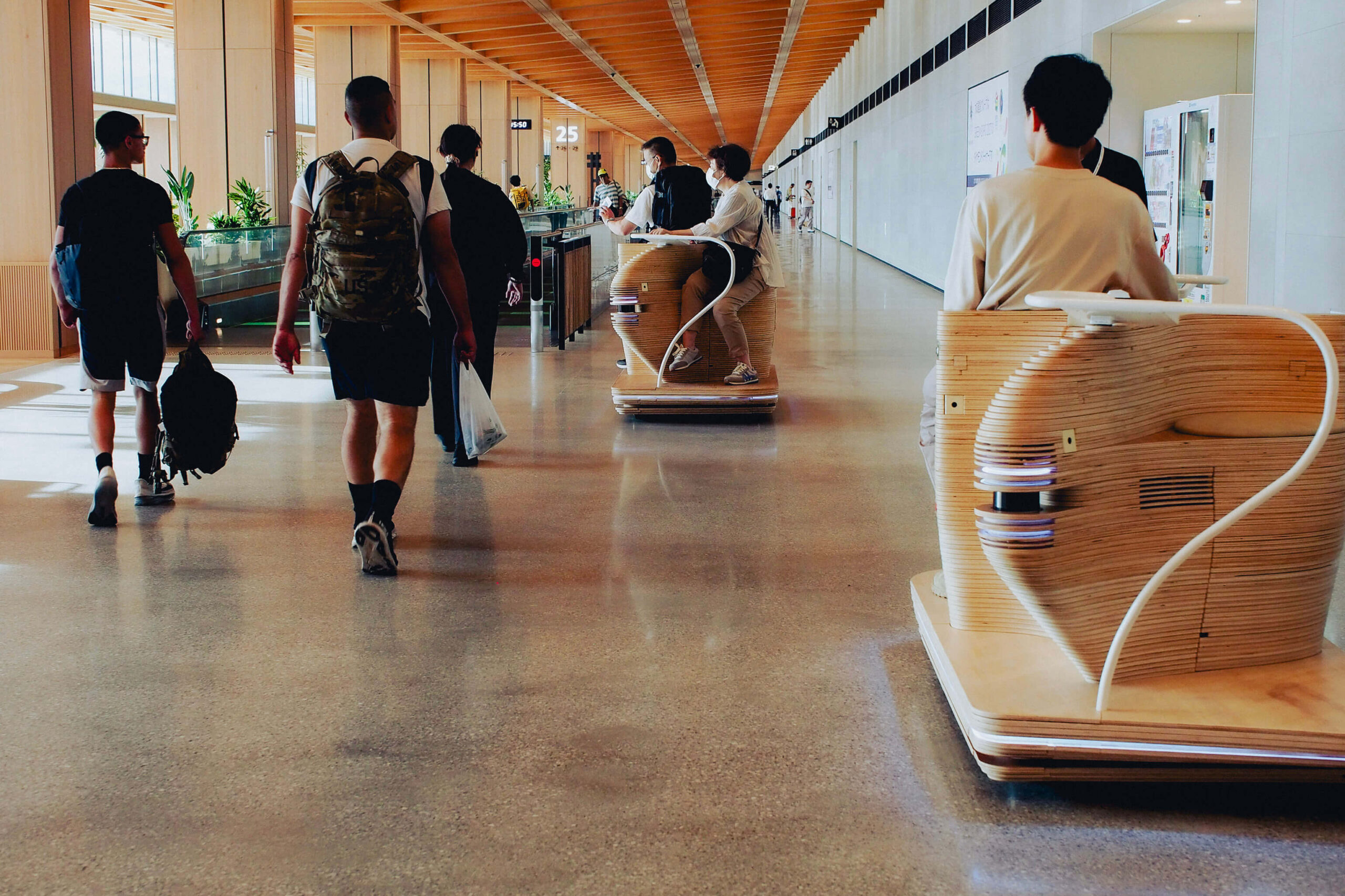
Multiple units travel through passageways filled with people coming and going, carrying passengers toward their departure gates.
Flexible, comfortable, and attuned to its surroundings.
A moving space that belongs to the place.
Designed for the highly fluid environment of an airport, it shapes the moments before departure.
Design Born from Place
The design of the S950 begins with the movement and dimensions of people within the terminal, as well as the scenery and scents that fill the space.
People hurrying toward their gates with suitcases. Families and friends spending a moment together before setting off on their journey. The beautiful timber interiors, and the scent of the terminal’s forest, where the freshness of coniferous trees fills the air.
We observe each element that makes up the space and translate what we discover into design.
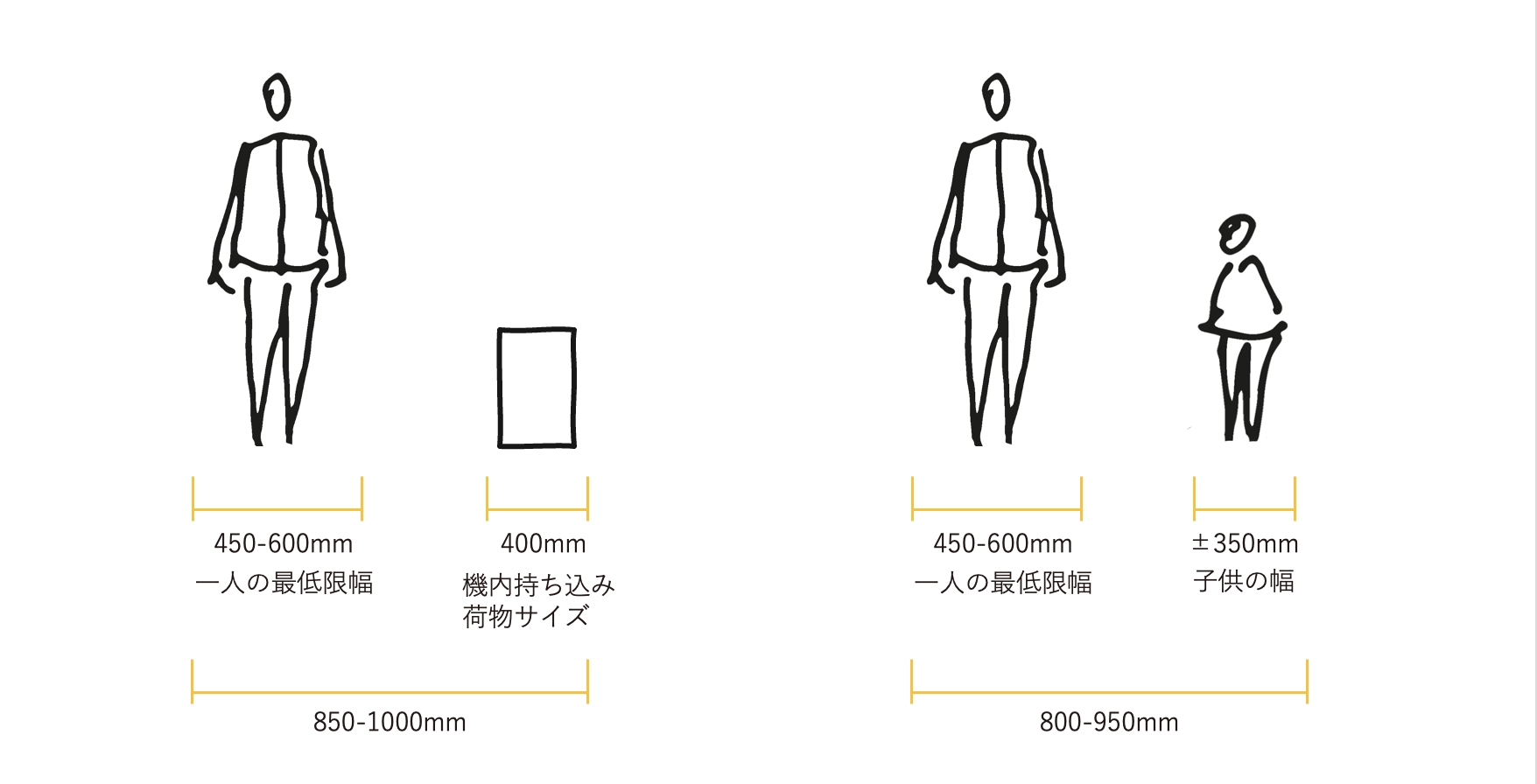
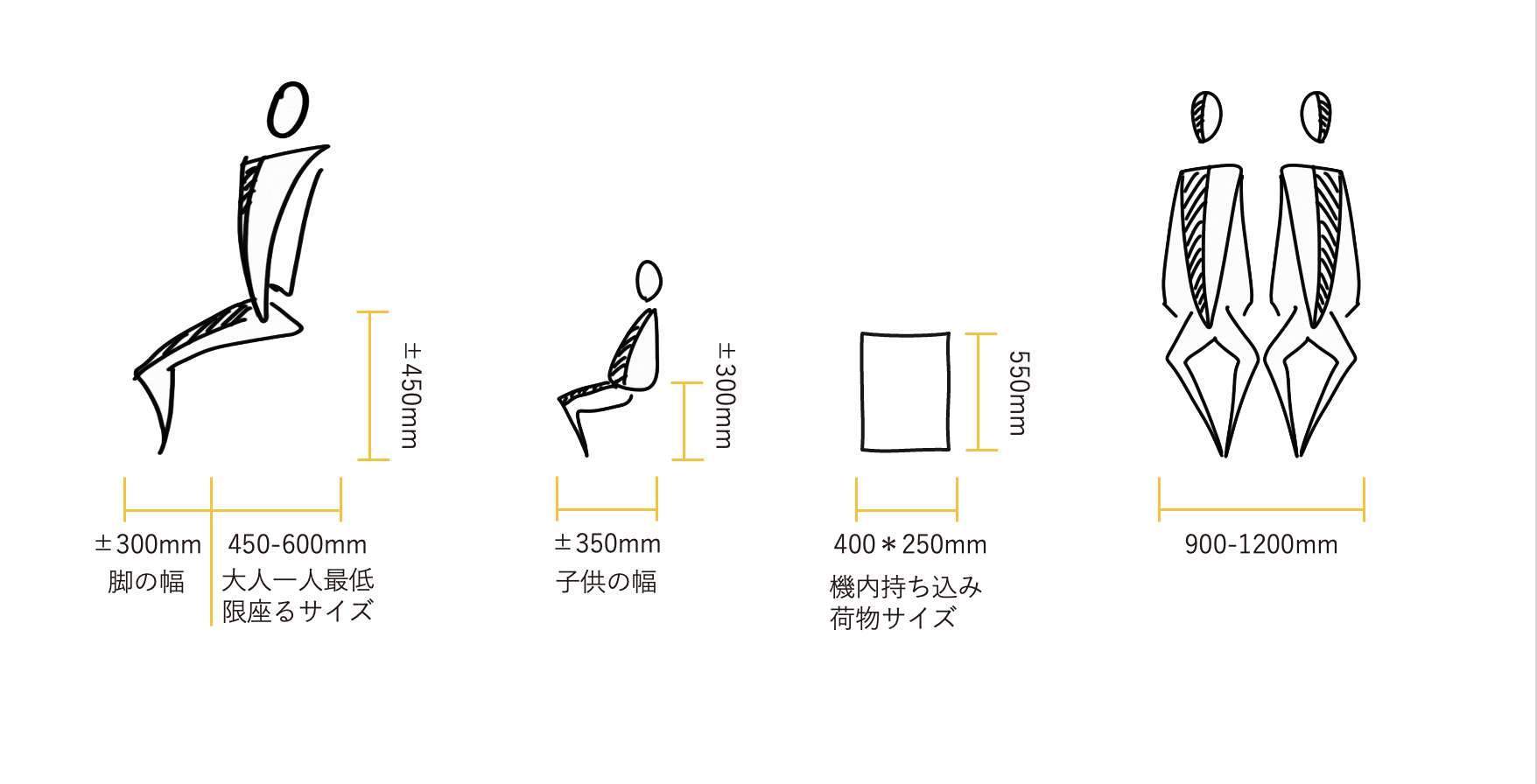
The mobility is 950 mm wide. This dimension allows iino units to pass each other safely, while maintaining a comfortable distance from pedestrians, within the approximately 4-meter-wide passageway alongside the moving walkway.
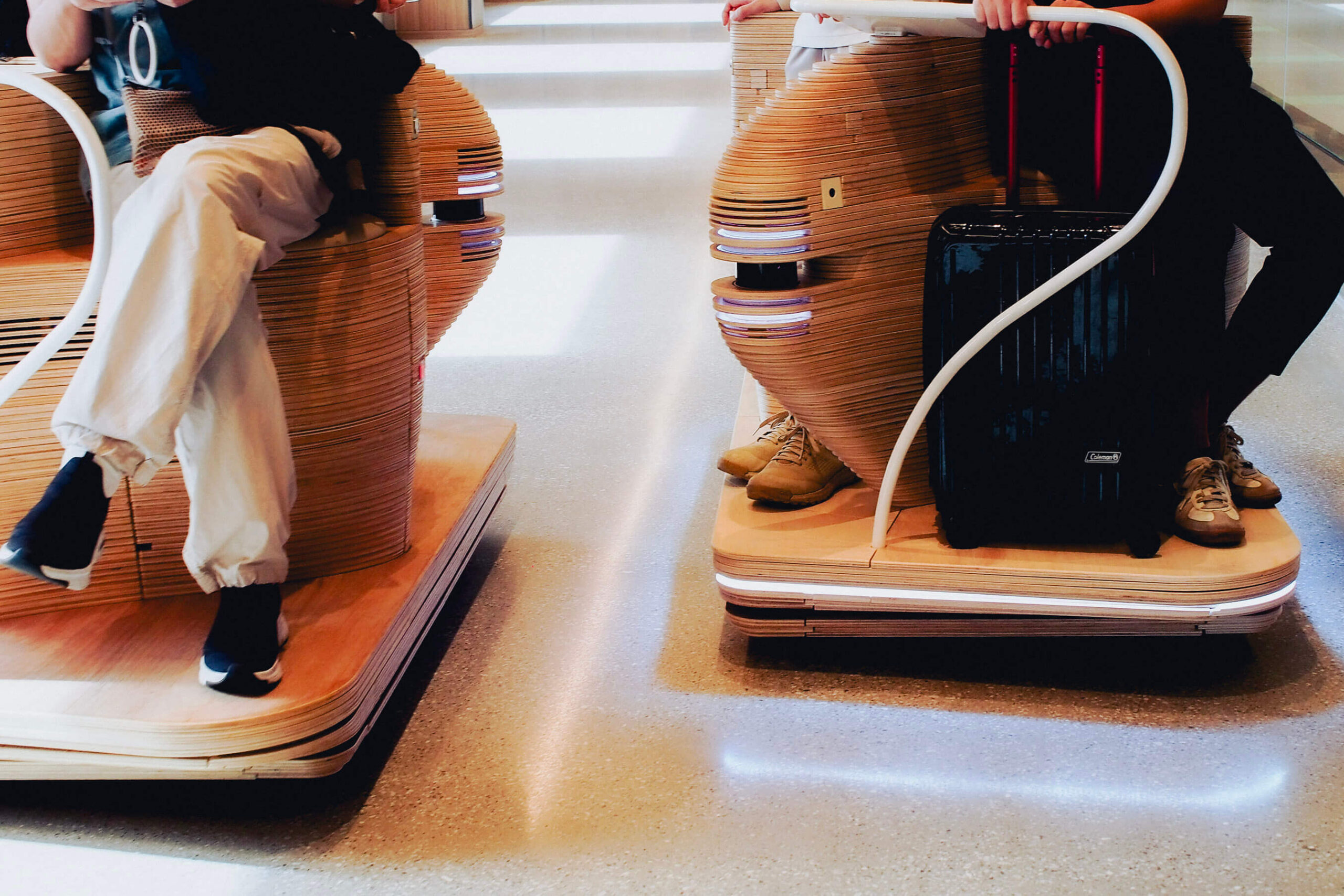
Based on passenger usage data, the S950 is designed to accommodate up to four people, allowing it to respond to periods of peak demand.
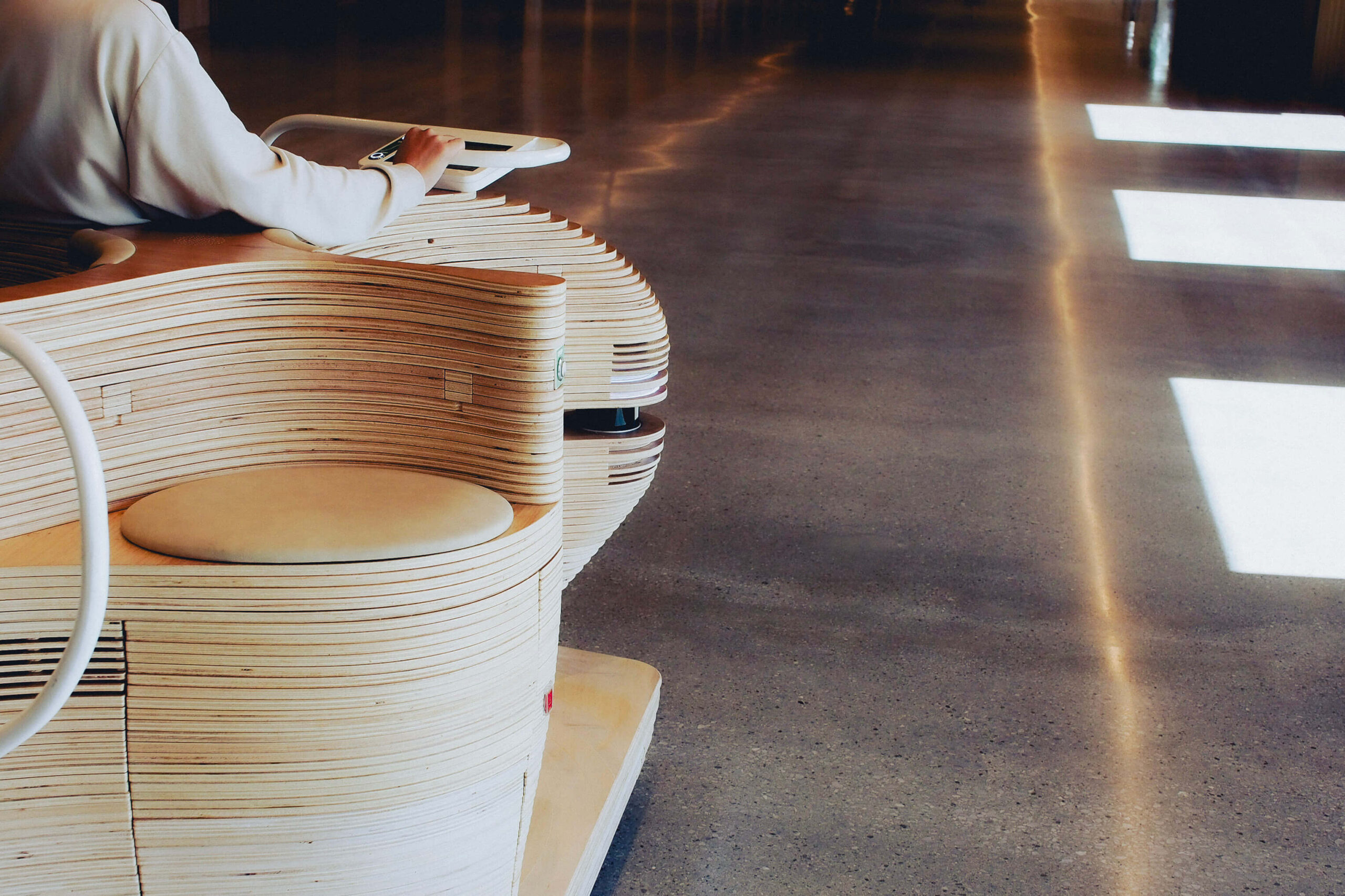
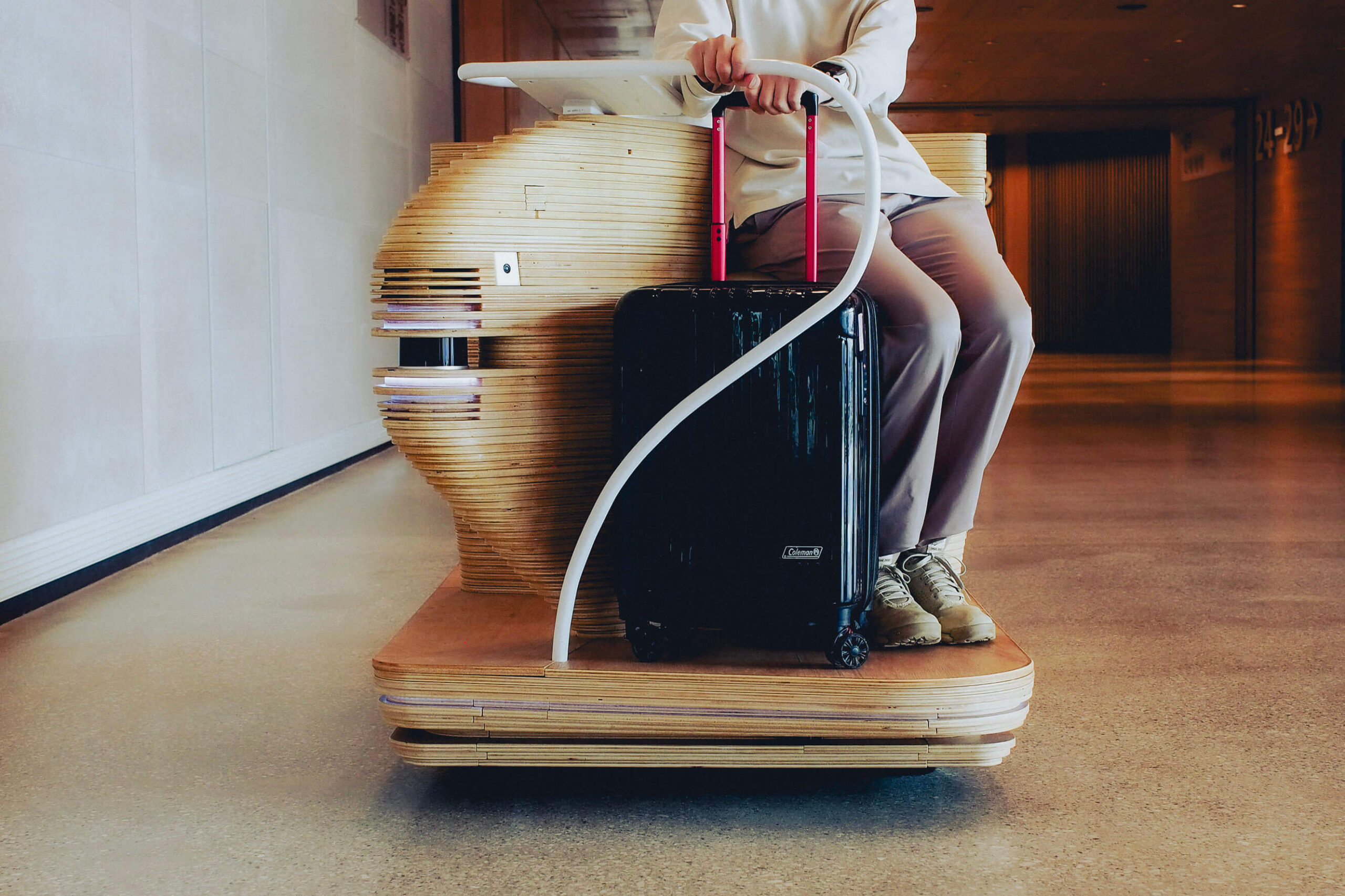
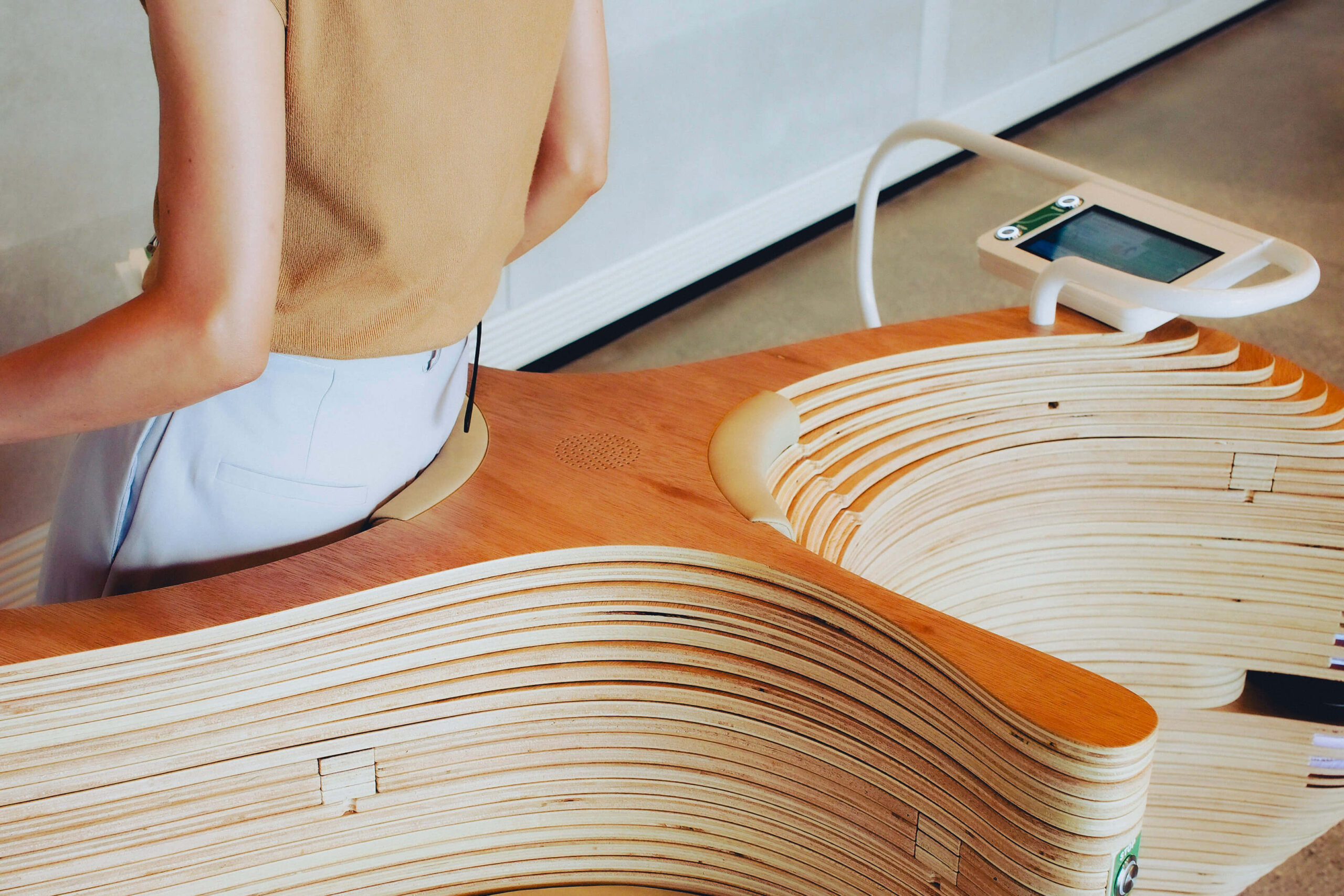
To provide a reassuring experience for passengers of all ages, the interior combines a space where passengers can comfortably lean against the mobility while standing with seats designed for a relaxed journey.
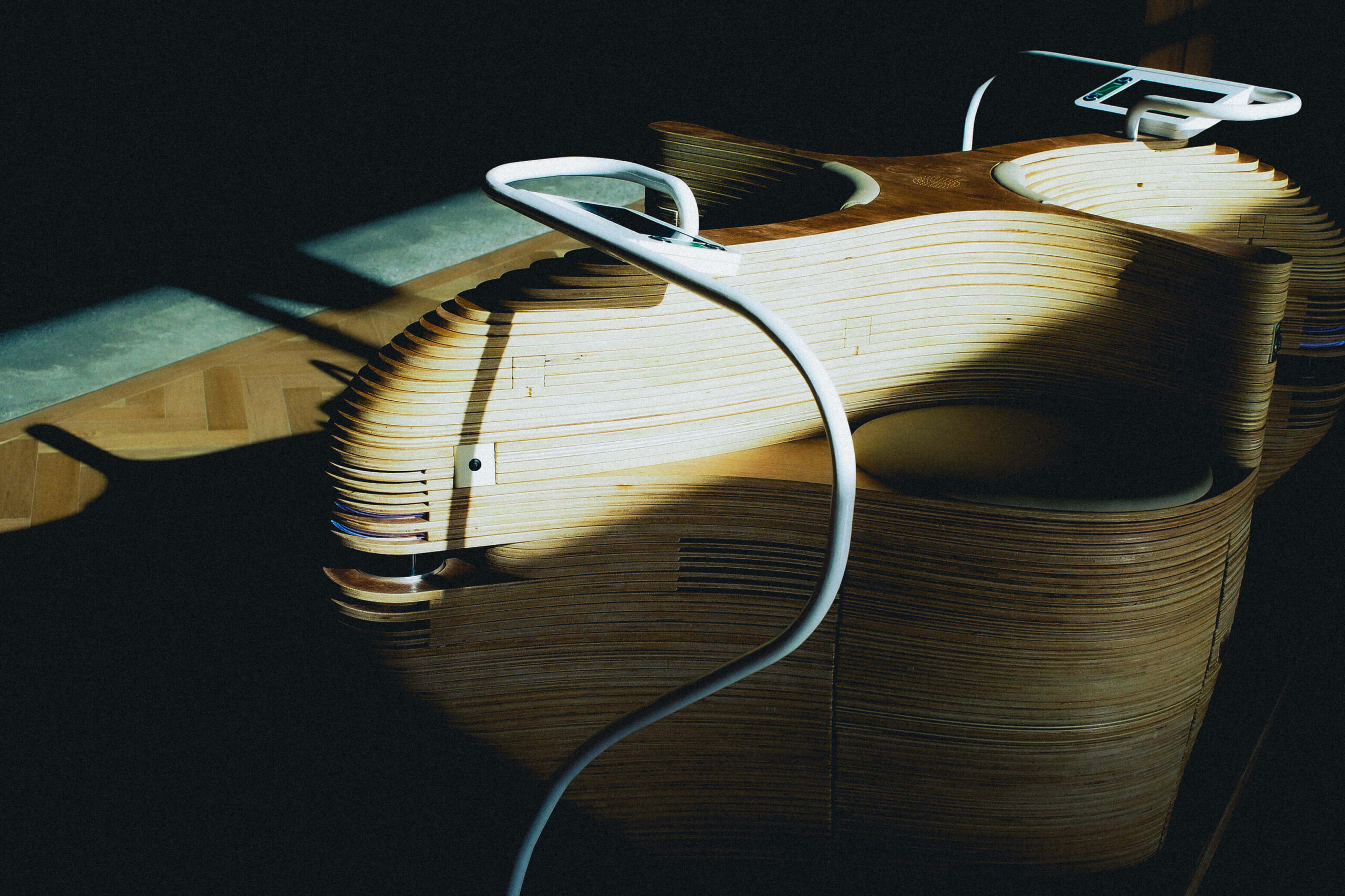
The height and curves of the handrails have been finely adjusted, creating a form that allows people carrying suitcases and families with small children to board safely.
The smooth, wave-like wooden exterior and compact scale harmonize with the surrounding space, reducing the sense of bulk often associated with mobility.
This creates a greater sense of comfort and reassurance, while enabling the mobility to coexist naturally with pedestrians.
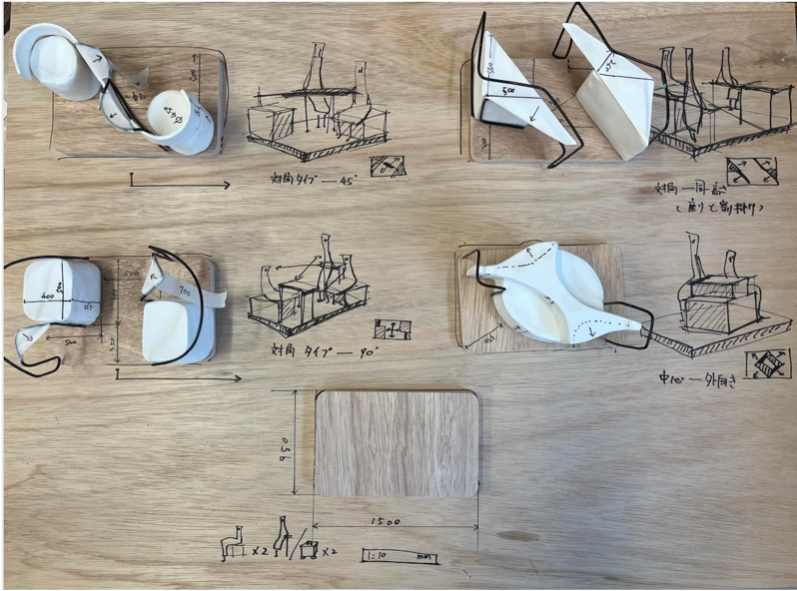
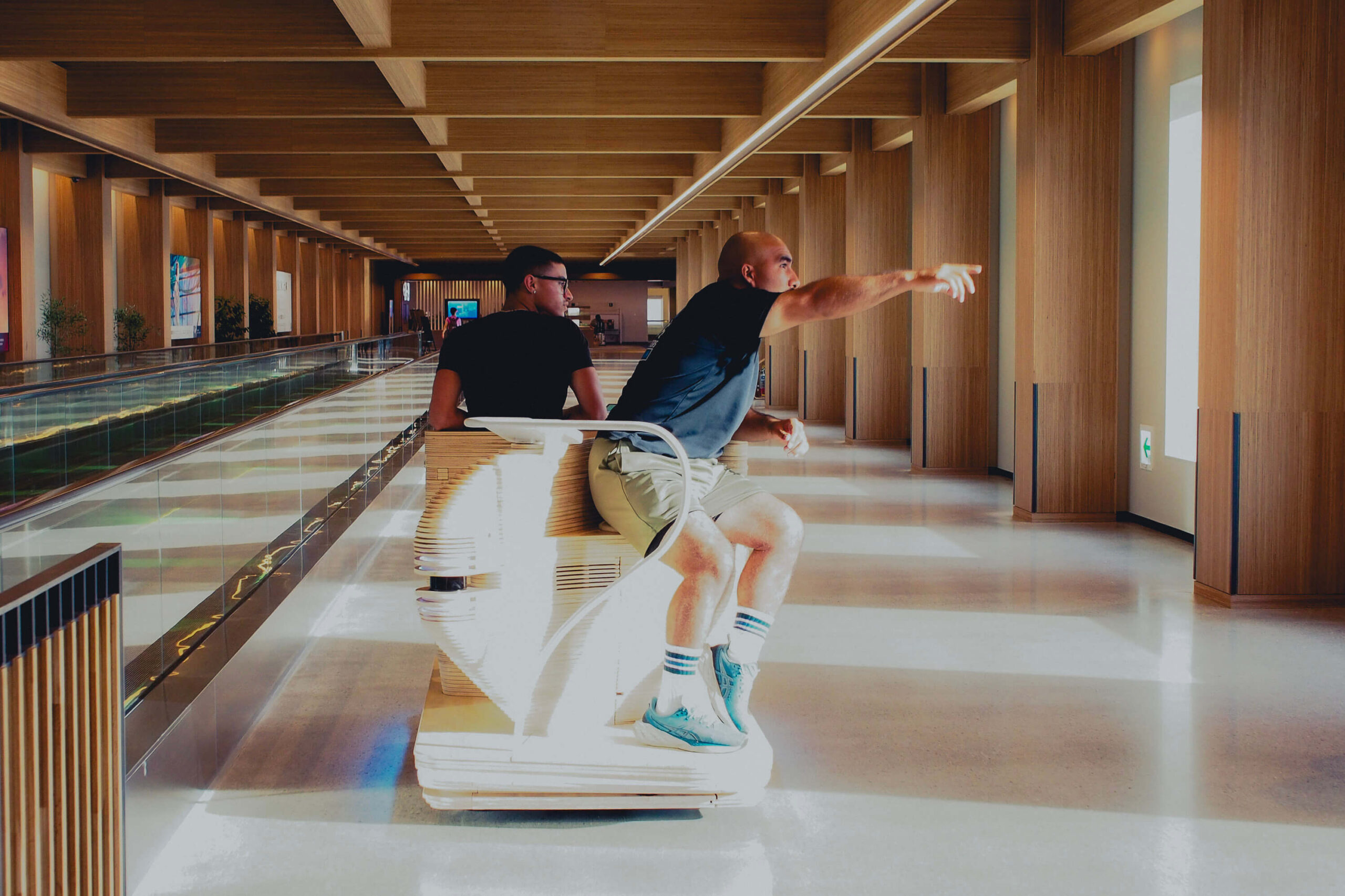
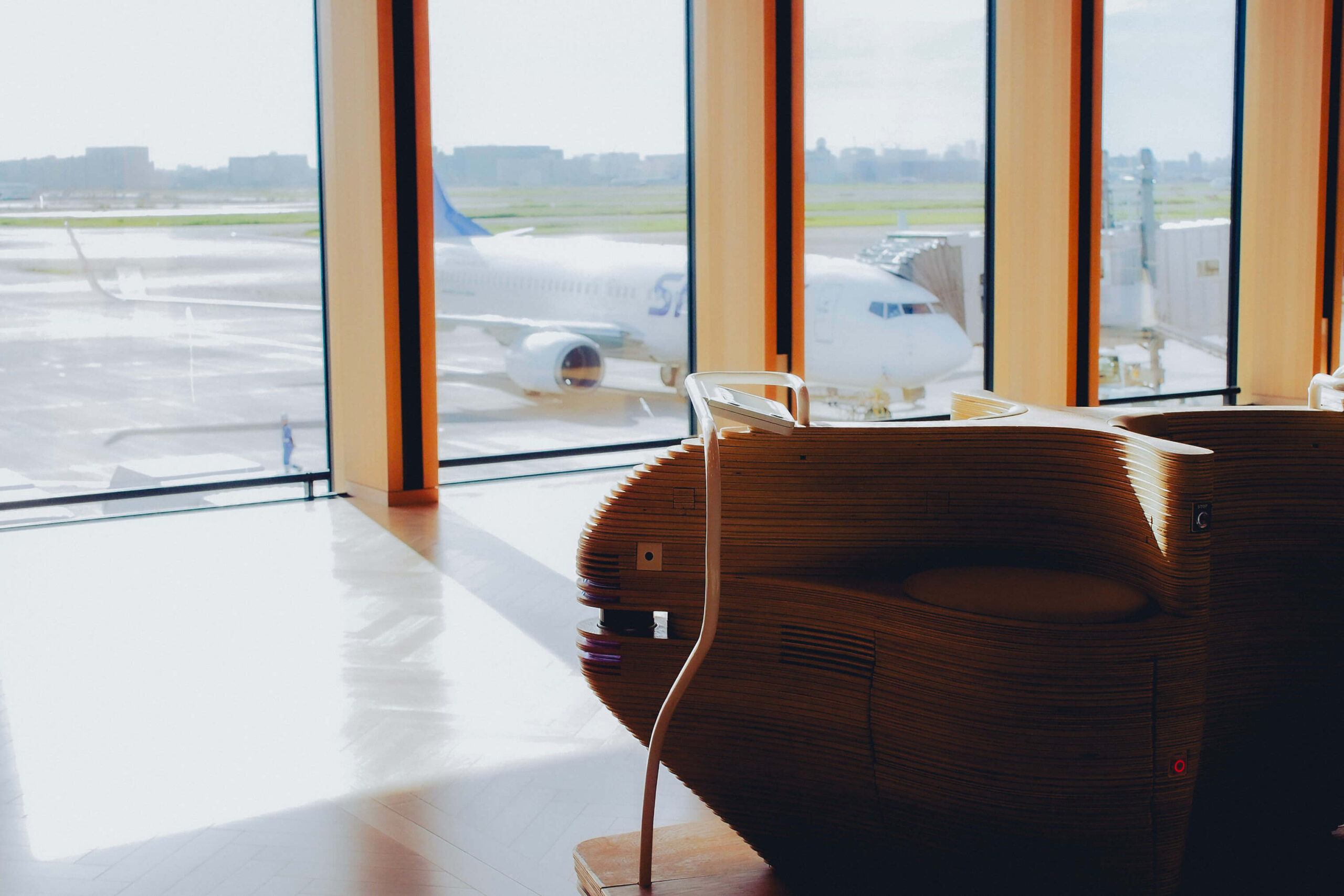
The seating area is arranged to naturally draw passengers’ attention outward.
Warm timber interiors and aircraft lined up beyond the large open windows come into view as the mobility moves through the terminal.
The scent of the forest and sounds flowing from the mobility gently overlap, gradually easing the tension before boarding.
The journey itself becomes a moment to experience the place.
Born from the space of the airport, the form of the S950 becomes part of its landscape, connecting departing passengers to wherever they are headed next.
Operations Designed to Belong to the Place
If design is created from a place, we believe its operation should be designed from that place as well.
Haneda Airport, Japan’s gateway to the skies, is a constantly changing place used by people with diverse needs.
Rather than offering the same mobility service everywhere and at all times, we aim to create a service that can respond flexibly to changing circumstances.
In the future, iino will be able to connect with flight information and adjust its routes accordingly, shifting its waiting locations to match the movement of passengers. It will then carry passengers toward their destination gate autonomously.
iino can also be deployed for passengers who may find walking long distances through a large airport difficult, those traveling with small children, and those carrying large amounts of luggage, supporting smoother movement through the terminal.
The number of units, their locations, and their routes can be changed in response to the movement of the terminal as a whole, with the aim of creating operations suited to each moment and each place.
Envisioning the Future of Mobility
Design the form from the place. Design the operation around its environment and circumstances.
In the dimensions and materials of the mobility.
In the layout of its seats and sound design.
In the way it moves, fine-tuned down to 0.1 km/h and to the centimeter in its routes.
We weave the space into every detail, one by one.
Through this rich process, we hope to envision the future of mobility.

2026 09 01
mobility : type_S950